Core Judgment
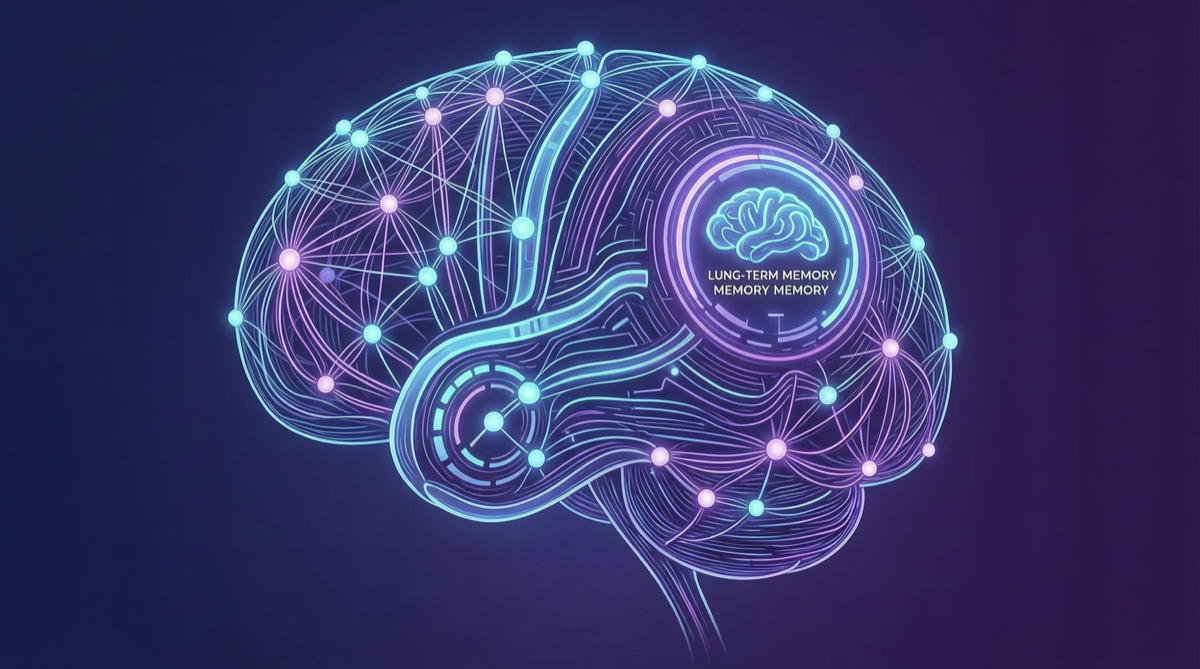
On the eve of Google I/O, multiple leak reports point to a key feature of Gemini Omni: the “Teamfood” long-term memory system. This is not ordinary conversation history caching, but a cross-session, cross-modal context persistence architecture.
What we know so far:
- Gemini video generation UI already shows “Powered by Omni” branding
- Omni integrates text, images, video, and long-context memory into a single model
- “Teamfood” handles cross-session context management and state recovery
What is “Teamfood”?
From the naming and leaked information, “Teamfood“‘s core function is to let AI models remember cross-session collaboration context — like team members sharing the same knowledge base, without amnesia after every restart.
| Existing Solution | Capability | Limitation |
|---|---|---|
| Conversation History | Retains current session context | New sessions start from zero |
| Claude Projects | Project-level knowledge base | Requires manual maintenance, no auto-updates |
| Gemini Projects | Persistent workspace | Limited to Gemini ecosystem |
| Teamfood (speculated) | Cross-session, cross-modal auto-memory | Not yet officially released |
The key difference is “automatic”: existing solutions require users to manually set up and update knowledge bases, while Teamfood’s design goal appears to be automatic accumulation and maintenance of context during interactions.
Why is Long-Term Memory the Biggest Bottleneck for Agent Deployment?
Current agent frameworks face a fundamental contradiction: agents need to learn over long-term collaboration, but every new session is an “amnesiac state”.
User: "How is that project from last time going?"
Agent: "Sorry, I don't remember what project we discussed before."
This problem is especially fatal in:
- Project Management: Cross-week, cross-month task tracking
- Code Development: Progressive development based on historical decisions
- Customer Service: Remembering customer preferences and past issues
- Personal Assistant: Understanding user habits, schedules, preferences
If Teamfood solves this, Gemini agents will be able to continuously accumulate context without human intervention — a qualitative leap from “tool” to “partner.”
Omni’s Multimodal Integration
“Teamfood” is not a standalone feature but part of Omni’s unified multimodal architecture:
| Modality | Traditional Approach | Omni + Teamfood |
|---|---|---|
| Text | Conversation history | Cross-session text context |
| Image | Single upload | Persistent visual memory |
| Video | Cloud generation | Video generation state continuity |
| Mixed | Not supported | Unified multimodal memory |
This means you could ask Omni: “What was in that video screenshot we looked at last week?” — and it should be able to answer.
Landscape Judgment
Google’s moves in the long-term memory race directly target two competitors:
- Anthropic Claude Projects: Anthropic’s project-level memory is mature but relies on manual management
- OpenAI’s GPTs + Memory: OpenAI has cross-conversation memory but precision and reliability have been consistently questioned
If Teamfood’s “auto-accumulation” capability lands, Google could achieve a breakthrough in the agent memory race.
Action Recommendations
- Watch for official Google I/O announcement: Leaked info doesn’t equal final product, wait for official confirmation
- Evaluate timing to replace existing memory solutions: If Teamfood matures, you can simplify your agent architecture
- Don’t stop building private knowledge bases: Even with Teamfood, private data still needs independent management
- Note privacy risks: Long-term memory means more data stored, compliance needs evaluation