The Bottom Line
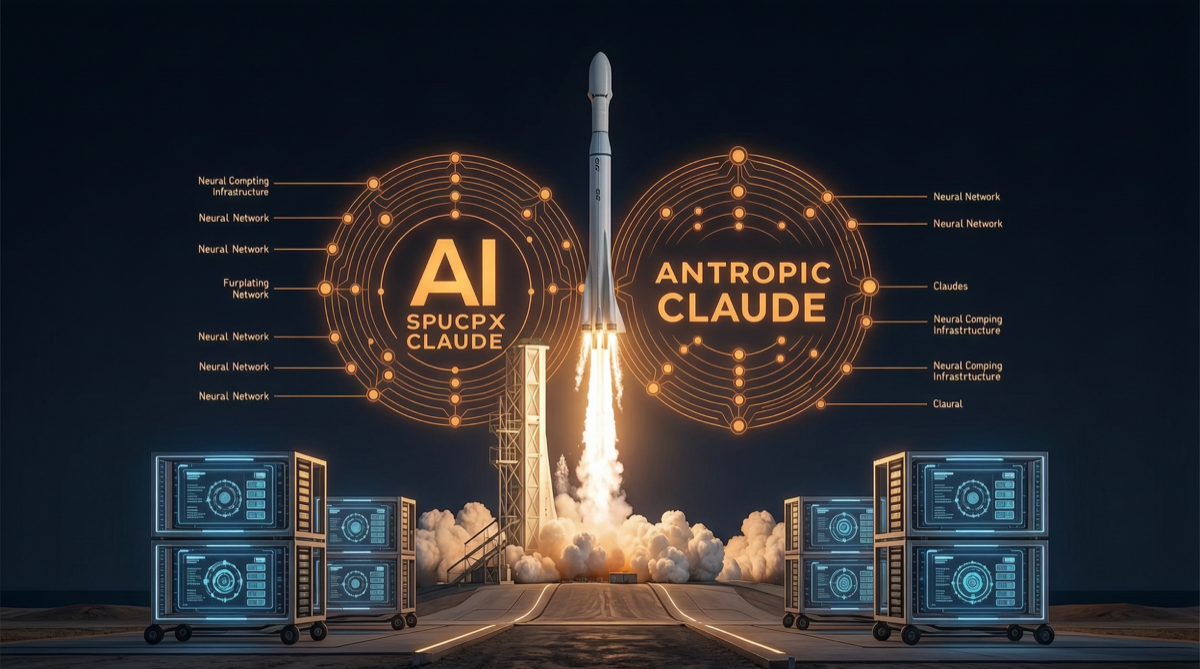
The biggest pain point for Claude users in recent weeks—rate limits—received a concentrated response at today’s conference. Anthropic’s strategy is clear: use SpaceX’s Colossus compute to fix capacity bottlenecks, and double rate limits to stabilize developer confidence.
But at its core, this is yet another public exposure of the AI industry’s compute anxiety.
What Happened
On May 6, 2026, Anthropic held the “Code with Claude” developer conference in San Francisco, announcing several major updates:
1. SpaceX Colossus Compute Partnership
Anthropic officially confirmed:
“We’ve agreed to a partnership with SpaceX that will substantially increase our compute capacity.”
SpaceX’s Colossus supercomputer cluster is one of the world’s largest AI training infrastructures, with over 100,000 GPUs. Anthropic will gain access to inference and training capacity on this cluster, directly relieving its long-standing compute bottleneck.
2. Claude Code Rate Limit Adjustments (Effective Immediately)
| Change | Before | After |
|---|---|---|
| Pro/Max/Team 5-hour limit | Baseline | Doubled |
| Pro/Max peak-hour throttling | Active | Removed |
| Opus model API limits | Low | Substantially raised |
3. Managed Agents Launch
Anthropic released pre-built Agent templates for the financial industry:
- Auto-generated investment pitches
- Valuation reviews
- Month-end financial closing
- Installable as plugins in Cowork and Claude Code
- Runnable as Managed Agents in production
Why the SpaceX Partnership Matters
This isn’t Anthropic’s first time seeking external compute, but choosing SpaceX carries special strategic significance:
Colossus Scale:
- SpaceX’s Colossus cluster in Memphis is one of the world’s largest AI training clusters
- Originally built for Grok training, now opening capacity externally
- Exceptional network connectivity (NVLink + InfiniBand)
Vertical Integration Trend:
- AI companies no longer solely rely on AWS/GCP/Azure public clouds
- Instead seeking partners with self-built data centers
- SpaceX has full-stack control over energy, hardware, and networking
Cost Structure Shift:
- Self-built or leased dedicated compute is 30-50% cheaper than public cloud
- For a company like Anthropic where inference is the primary cost, this is direct margin improvement
The Signal Behind Doubled Rate Limits
Rate limit increases seem like “good news,” but consider:
- Previous limits were too low: Pro users’ 5-hour request volume might only complete one medium-sized project
- Capacity finally caught up: SpaceX compute access means Anthropic is no longer “GPU-starved” like recent months
- Competitive pressure: OpenAI Codex downloads have surpassed Claude Code—Anthropic needs better experience to retain users
Competitive Landscape
Claude Code’s position is shifting:
| Metric | Claude Code | OpenAI Codex |
|---|---|---|
| Weekly downloads (early May) | ~490K | ~46M |
| Growth rate | Slowing | Rapid |
| Rate limits | Just doubled | Relatively generous |
| Ecosystem | Rich plugins | Higher integration |
Codex’s rise is largely driven by OpenAI’s more generous rate limits and cheaper pricing. Anthropic’s adjustments today are playing catch-up.
Action Items
- Test Claude Code now: If your team abandoned Claude Code due to rate limits, this is the time to re-evaluate
- Watch Managed Agents: If you’re in finance, pre-built Agent templates could cut weeks off development time
- Monitor API pricing: Lower compute costs usually mean room for future price adjustments
- Evaluate multi-vendor strategy: The gap between Codex and Claude Code is narrowing—using both may be more cost-effective