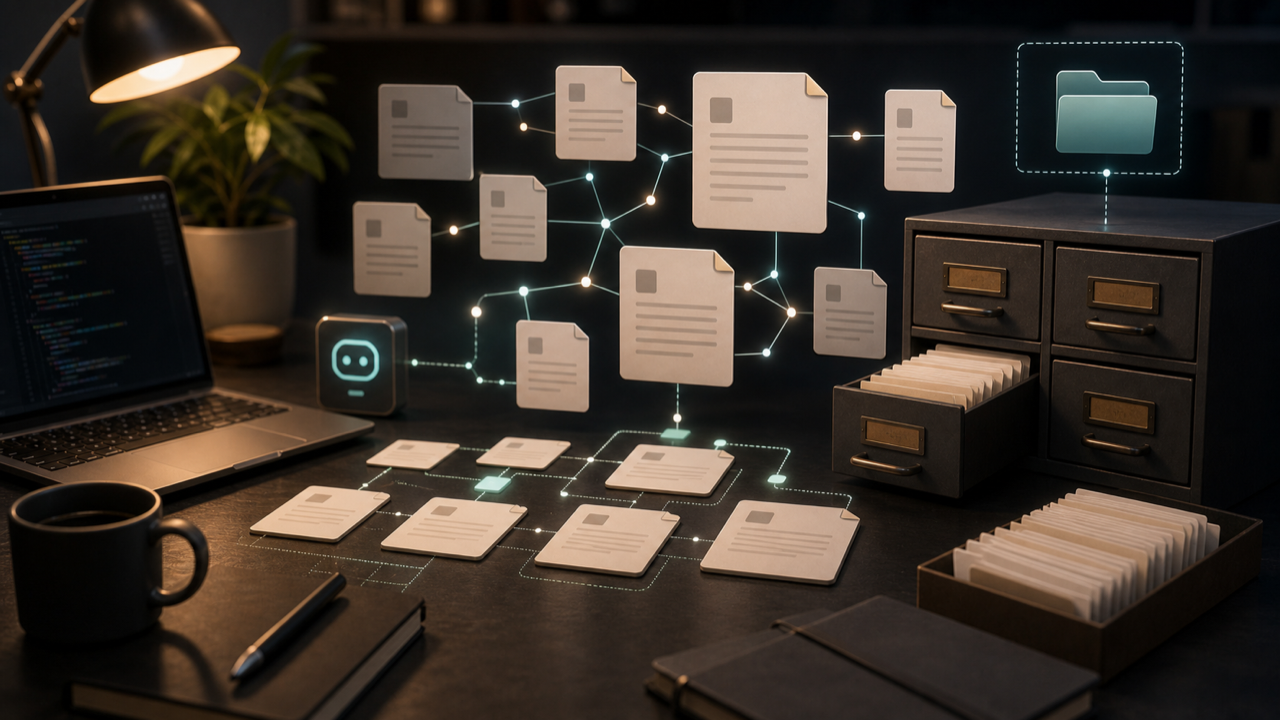
Some technical approaches may not seem cool at first, but the more you think about them, the more sense they make: writing memory as Markdown.
EverMind-AI/EverOS still had commits as of June 18, 2026, is licensed under Apache-2.0, and has around 7,872 GitHub stars. The README defines EverOS 1.0.0 as a "local memory operating system for agents and makers," with a core portable memory layer that uses Markdown as the source of truth, syncing with SQLite and LanceDB for retrieval.
This differs from many "memory bank" projects. Instead of stuffing everything into a database first and then handing you a dashboard, it first turns memory into Markdown files that are readable, editable, diffable, and Git-friendly. For individuals and small teams, this trade-off is highly practical.
I appreciate this design because the biggest fear with Agent memory is the black box. If a model misremembers your preferences or misunderstands a project's context, and your only option is to call an API to delete an embedding, the experience is terrible. Markdown at least lets you open and inspect it directly.
The drawbacks come with it: a file-system approach inherently requires handling synchronization, conflicts, permissions, and performance issues. At scale, Markdown won't automatically transform into an enterprise knowledge graph.
Therefore, EverOS is better suited for local-first developer workflows, research notes, personal Agents, and small-team knowledge bases. It may not be the flashiest solution, but it could be one of the most trustworthy for long-term use.
Primary Sources: