No matter how capable a single Agent is, it will inevitably falter on hour-long tasks: forgetting context, losing files, misusing tools, and eventually resorting to sloppy work like someone pulling an all-nighter.
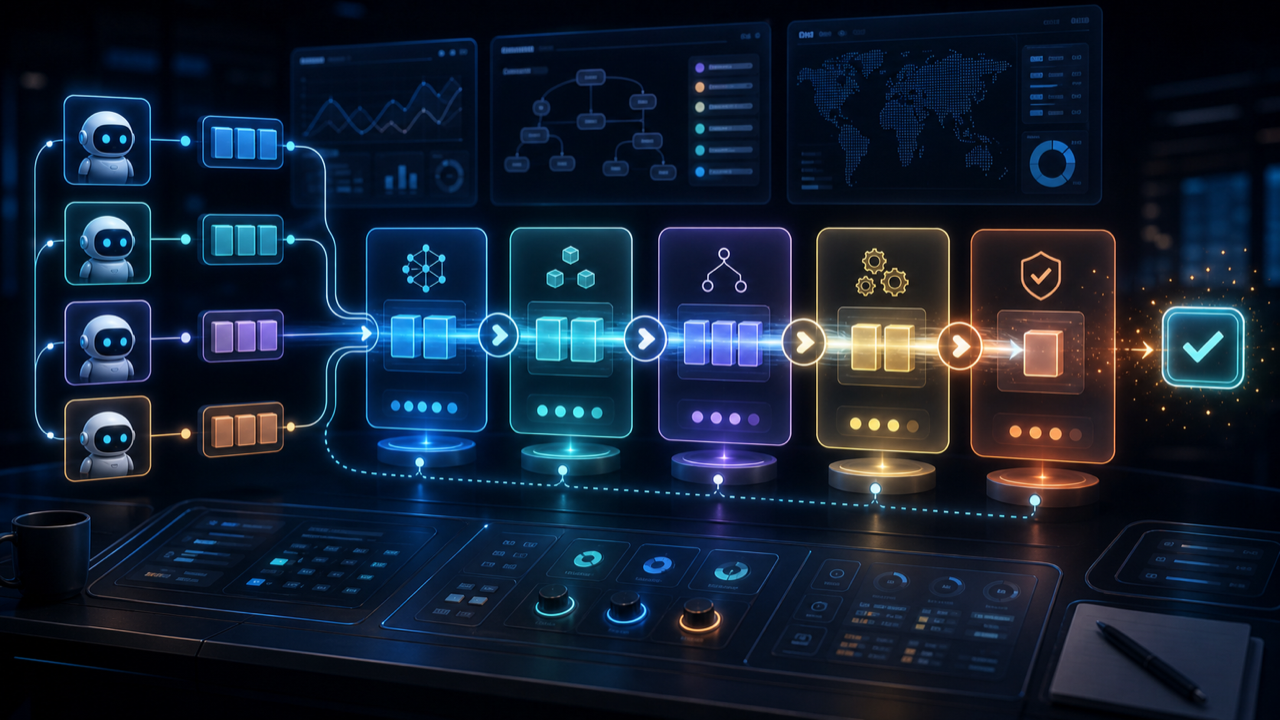
ByteDance's DeerFlow 2.0 is worth covering because it doesn't package itself as "just a smarter chatbot." GitHub metadata shows the repository still received pushes on June 19, 2026, with around 71,636 stars and an MIT license. The README is straightforward: it's an open-source super agent harness that combines sub-agents, memory, sandboxing, skills, and a message gateway to handle research, coding, and creative tasks ranging from minutes to hours.
The real appeal of projects like this isn't the star count, but their engineering focus. DeerFlow 2.0 is a ground-up rewrite that shares no code with v1; the official documentation also highlights sandboxing, file systems, long-term memory, Claude Code integration, and the InfoQuest search and scraping tool. In other words, it cares about "how to keep a task running to completion," not "which question the model answered correctly."
I'd recommend it to two types of users: teams looking to build internal deep research/coding workflows, and those who have already been tormented by the instability of single-Agent long tasks. If you just want a lightweight chat plugin, there's no need to use it.
Don't overlook the risks either: nearly a thousand open issues indicate an active community, but also a large attack surface. Run it on isolated tasks for a week before deploying to production, and never give it direct access to core permissions.
The next step for Agents might not be to act more like a single smart person, but more like a specialized team with clear divisions of labor. That's exactly the direction DeerFlow is betting on.
Primary Sources: