In March this year, OpenClaw was everywhere in the AI community.
WeChat index soaring, every AI agent topic on social media mentioned it. Some called it "the most important AI product form of 2026." Others were already planning startups built on OpenClaw.
Then April came.
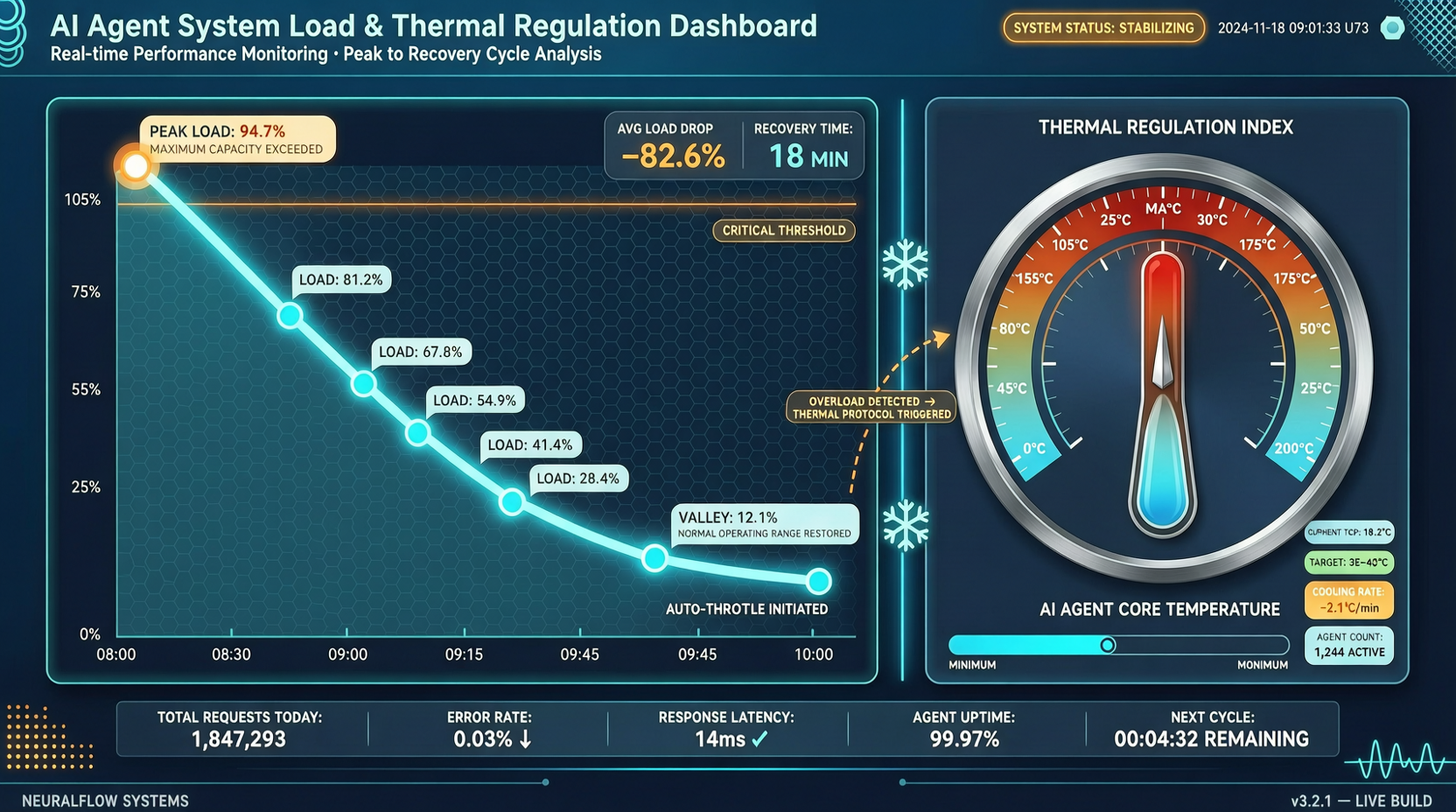
Traffic halved. Competitor QClaw's traffic dropped 99%.
Three Months, From Hot to Cooked
36Kr used a fitting metaphor: the lobster went from hot to cooked.
The reason for the cooling isn't complex. OpenClaw's initial explosion was built on "zero threshold" — no coding, no configuration, even installation was handled for you. This experience was incredibly friendly for non-technical users, but it also meant: the product's core value was severely diluted.
Someone poured cold water at the time: "If even installation needs to be done for you, what's the use after installation?" That quote was drowned out by the狂欢.
Now looking back, that cold water was more accurate than most analyses.
What the Remaining Users Are Doing
But the story isn't just "it went hot then cold."
While traffic crashed, a batch of users stayed. They didn't leave — they were doing something completely different from the initial frenzy: going deep into vertical scenarios.
- Some use OpenClaw for industry-specific information collection and automated processing
- Some deploy private versions internally, connecting to internal data sources via MCP protocol
- Some contribute skills and workflows for specific tasks in the open-source community
These people never cared about "how hot the lobster is." They care about "can this tool solve my specific problem."
This Isn't a Bubble Burst — It's a Normal Regression
Interpreting OpenClaw's traffic decline as "AI agents are dead" is wrong. A more accurate reading: AI agents moved from the "everyone is talking about it" phase to the "a minority is seriously using it" phase.
This transition is too common in the tech product lifecycle:
The Gartner Curve calls it the "trough of disillusionment." I prefer a simpler phrase: the party-goers left, the workers stayed.
For a tool product, this is actually good news. Because the feedback, issues, and code from retained users are the real foundation for product iteration. Ten million people who used it once aren't as valuable as ten thousand who use it daily.
The Next Phase of the Agent Ecosystem
The traffic changes in OpenClaw and QClaw don't reflect the failure of agent technology — they reflect that the market's expectations for agents are maturing.
Early agent products attracted users with "does everything" marketing — can code, can research, can automate workflows, can make you money. But this generalized narrative has a fatal flaw: touches everything, masters nothing.
The agent products that survive next will likely not be "general purpose" but deeply focused on vertical scenarios:
- Agents specialized in legal document review
- Agents specialized in e-commerce operations
- Agents specialized in code review
These products won't get the explosive attention of OpenClaw, but their user retention and paid conversion rates will be far higher than generalized agents.
The lobster cooled down. But the people eating lobster are still eating.
Primary sources:
- 36Kr: OpenClaw Traffic Halved (2026-05-19)
- 非凡产研: April 2026 global Claw product traffic data